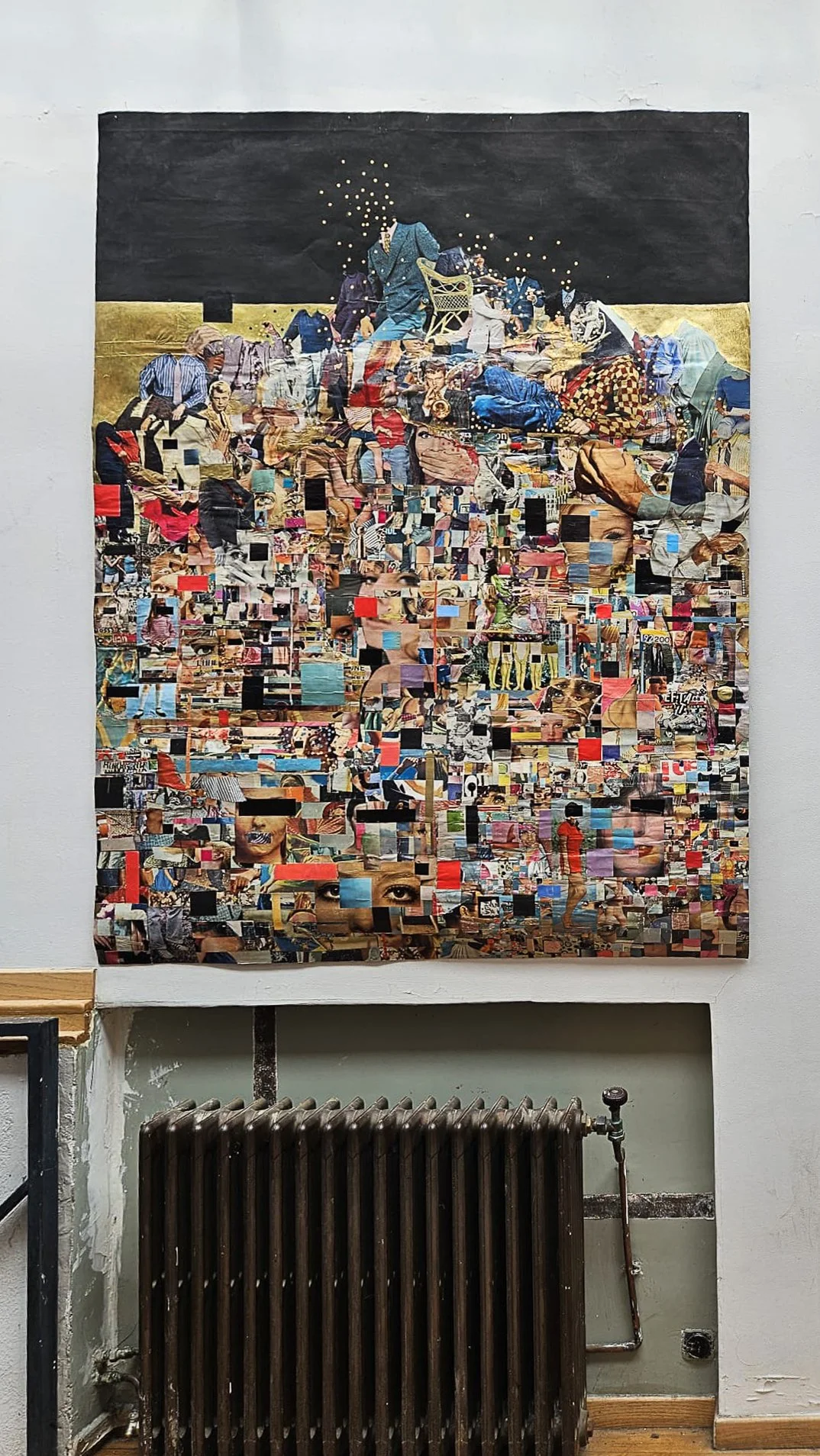
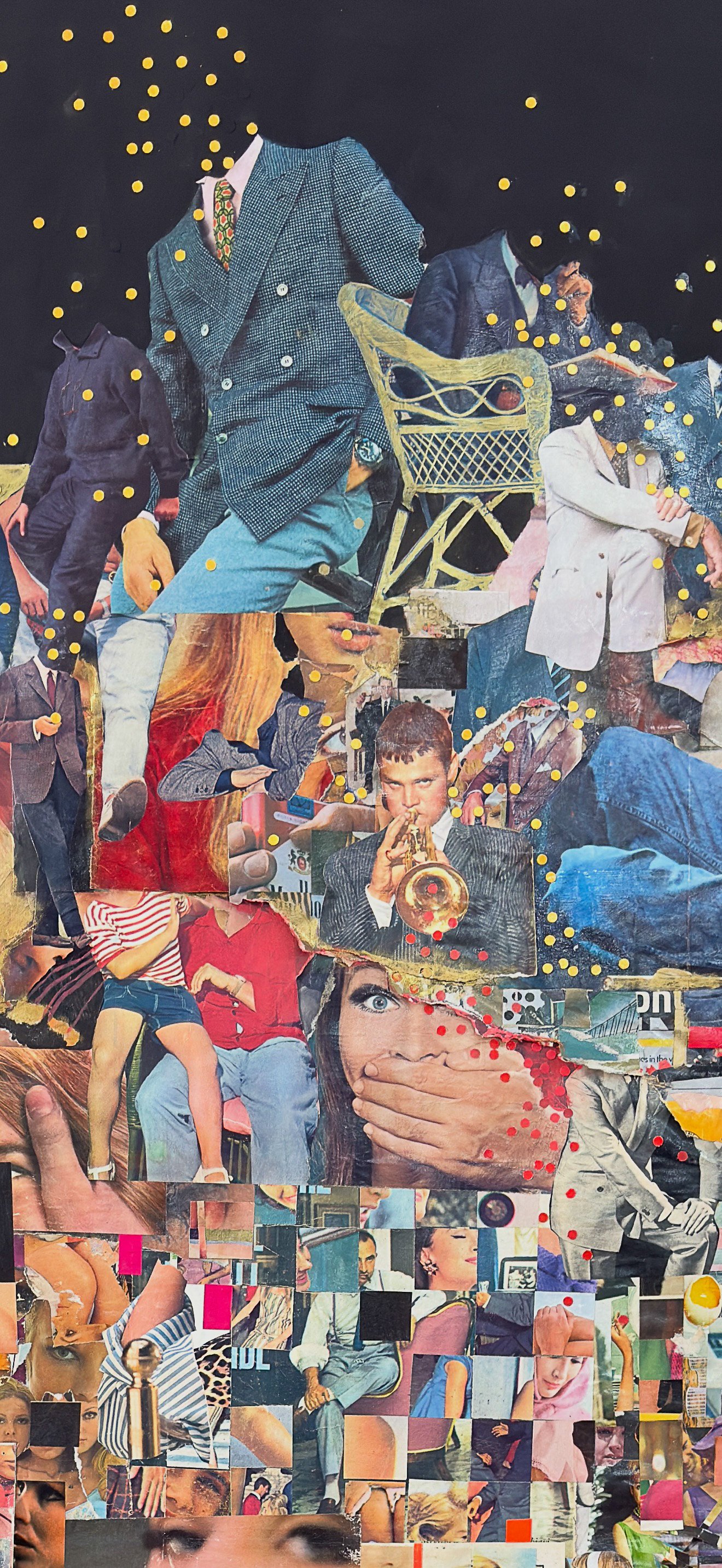
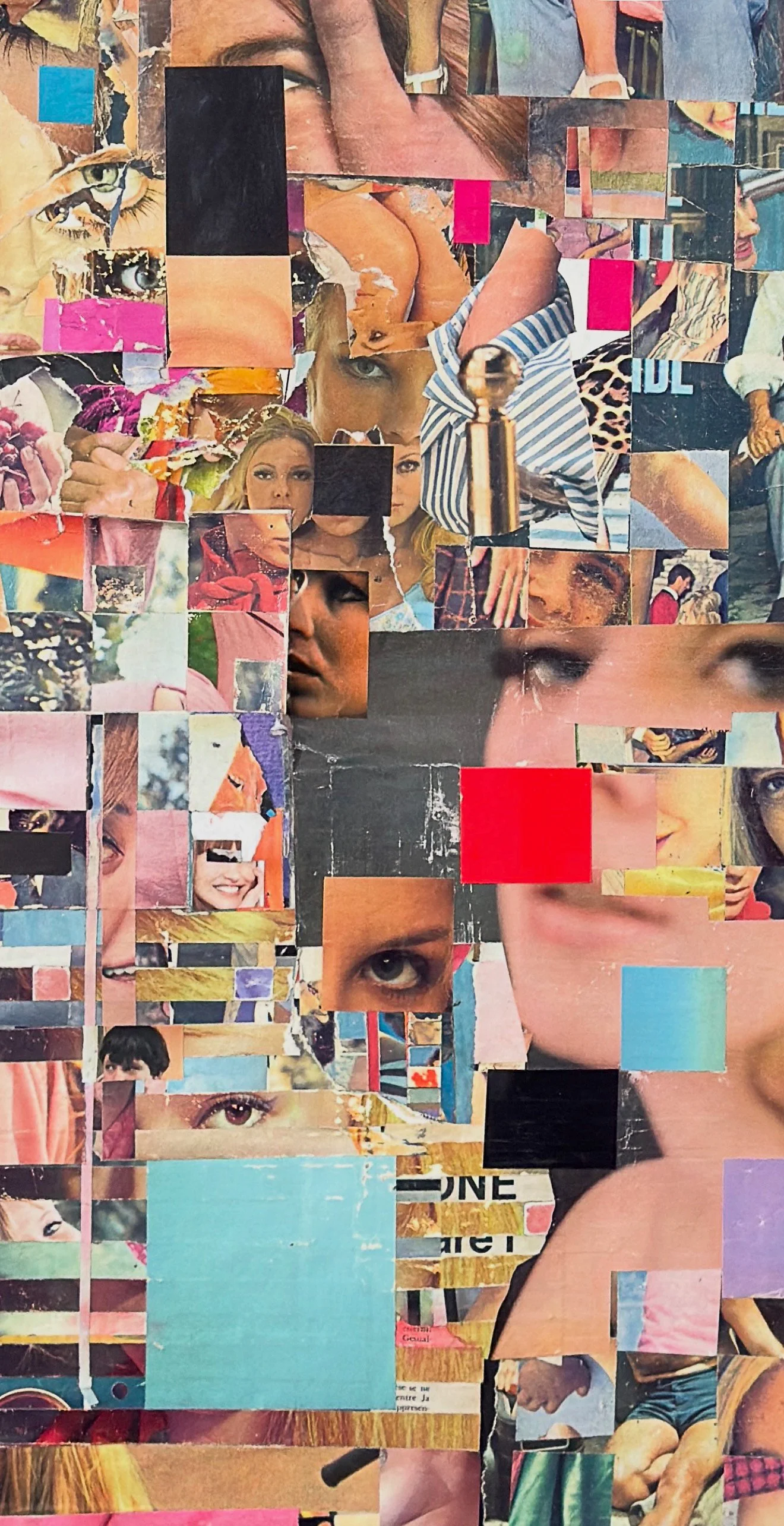
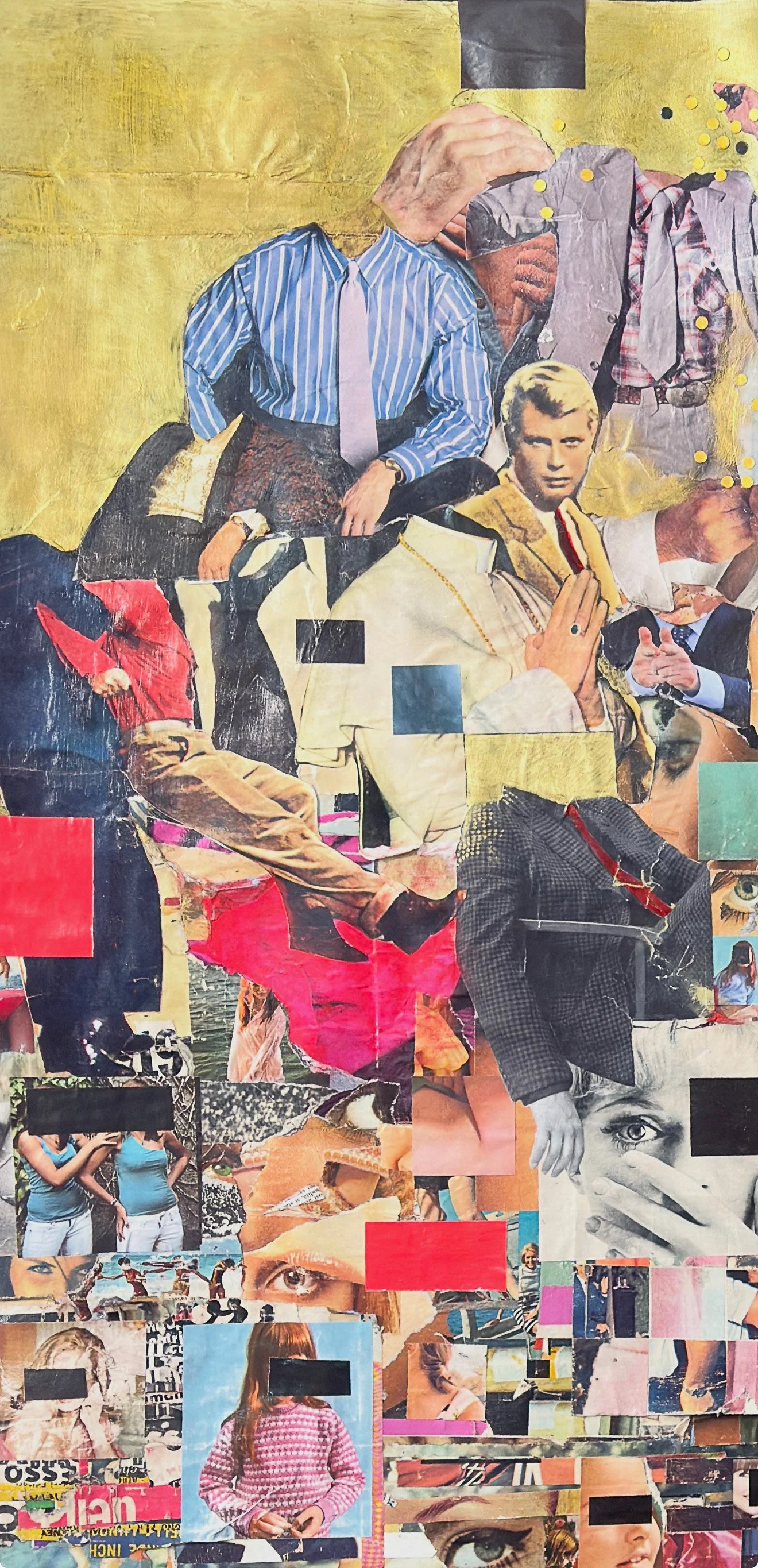
Relations En Tension 4. « J’acc…mousse ! »
12/06-27/06/2026
Jakmousse Gallery, 126 rue de Rosny, 93100 Montreuil
Curated by the Chaos and Cosmos curatorial team.
Group show with Raphaël ALGIERI / David ANCELIN / Iri BERKLEID / Stéphane BÉRARD / Vincent BONNET / Io BURGARD / Damien CACCIA / Loïc CONNANSKI / Julia DECLAIRE / France DUBOIS / Clarisse DOUSSOT / Anne-Laure CROS / Jules DUMOULIN / Corinne FHIMA / Marc FONTENELLE / Aurélie GALOIS / Théo GHILIA / Maceo GOY CLAIRET / Bernard HAUSSEGUY / Martin KAULEN / Lyonel KOURO / Vincent LABAUME / Arnaud LABELLE-ROJOUX / Christine LAQUET / Rachel LAURENT / Martin LE CHEVALLIER / Corentin LE GUET / Fabien LERAT / François MAURIN / Cécile MAINARDI / Charlie MALGAT / Jean-Charles MASSERA / Bérénice MAYAUX / Philippe MAYAUX / Kenji MEUNIER / Nicolas MILHÉ / Jean-Luc MOULÈNE / Nicolas PAILLARD / Lou PARISOT / Jean-Marie PERDRIX / Laurent PERNOT / Bertrand PLANES / Manon PRETTO / RECYCLE GROUP / Pascale RÉMITA / Laura ROUZET / Ekaterina SHCHERBAKOV / Arielle SIBONY / Morgane TSCHIEMBER / Arnaud VASSEUX / Sergio VERASTEGUI
The fourth edition of “Relations in Tension” takes a creative, scientific, formal, or offbeat look at the flagship material of the Jakmousse company (rubber bands made from natural hevea rubber), and, more broadly, at the notion of elasticity in all its forms. The first edition, entitled Elastic Propositions, explored the range of physical possibilities offered by Jakmousse products in a playful and experimental spirit. The second, The Return of the Fiasco, presented itself as a historical reactivation of the exhibition Fiasco, organized by Jean-Yves Jouannais in 1992 at the Art:Concept gallery, then located in Nice. The third, Catarubber — a portmanteau formed from the words “catastrophe” and “caoutchouc” (rubber) — evoked the idea of a cushioned catastrophe, a mixture of desolation and rebound. Pointing to this “residual” property of rubber, and taking into account the “secret catastrophe” that, according to Gilles Deleuze, affects “the act of painting at its deepest level,” it cast a squinting glance toward the mournful solastalgia of today’s ambient collapsologists.
This new installment, I Accu…Foam!, presents itself as an unprecedented encounter between Émile Zola’s J’accuse — the founding act of resistance by the modern intellectual — and the mischievous foam mascot from the Jakmousse company logo, spinning a large elastic bracelet with one foot while stepping on a rubber foam mattress with the other, both iconic products from the company’s early days. How can one juggle the heaviness of accusations, presumptions of guilt, and inevitable denunciations, with the ultimately light and playful figure that art and its forms cannot help but embody? “This is not a just image, it’s just an image,” as reads a famous subtitle card from Jean-Luc Godard’s film Wind from the East.
Since Antiquity, artistic acts of accusation have been plentiful. Apelles of Kos (4th century BCE), nicknamed in his time “the divine Apelles,” and considered the greatest painter of ancient Greece despite none of his works surviving, thanks to the many praises and literary descriptions left by contemporaries and later admirers such as Pliny the Elder, is said to have painted the first allegorical painting drawn from personal experience. Another painter, Antiphilos, had publicly slandered Apelles, accusing him of treason against Ptolemy IV, ruler of Egypt. Apelles was thrown into prison, but he was quickly exonerated, and Ptolemy reduced the slanderer to slavery and handed him over to Apelles, who then made a painting from the incident. The Calumny of Apelles became his most famous work — so famous that great Renaissance painters such as Botticelli and Dürer attempted to recreate it by following descriptions written by Lucian of Samosata.
In modern and contemporary art, more or less allegorical forms of accusation — generally grouped under the label of politically engaged art — have often had difficult afterlives. While Picasso’s Guernica remains one of the most famous works of the twentieth century, artistic forms tied to what might be called, parodying the phrase “Art for Art’s sake,” “accusation for accusation’s sake,” seem aesthetically sustainable over the long term only on the condition that they do not spare themselves within the act of denunciation itself. In other words, they must be accusatory works that also denounce themselves by revealing their own mechanisms.
This new edition of “Relations in Tension”: I Accu…Foam! therefore declares itself especially receptive to any production, form, object, poem, or gesture that rises with determination against some form of injustice — perhaps modest or experienced on a limited scale, yet unmistakable — even if pointed out with a light, flexible, supple finger: elastically accusatory, one might say. Provided that there is some form of demonstrative judgment at work!